FEET Freshwater Environment Ecology Trust Recording Session
Habitat Transistional Lagoon - Reedbed Wetland in proximity to Wet Woodland and Willow Carr surrounded by Mixed Deciduous Cover. Monittorring
Weather : Warm circa 14o , Overcast , yielding occ drizzle circa 2.30am
Method 120 W Robinson
Aprox Species Count n = 50
There were at least 3 Traps Run on Saturday 20 W Actinic and 100 W Mercury in the Yard and/or nr adajcent wood ( Technically not on the Nature Reserve and 1 at the Lagoon part of the existing Cromwell Bottom LNR whose Tier 3 designation ends circa 2020/21 . There were some subtle variances in species collected in regard to locations which are indicative of the diverse habitat mosaics on the reserve . The Lagoon has had bi -Triennial year on year monttoring
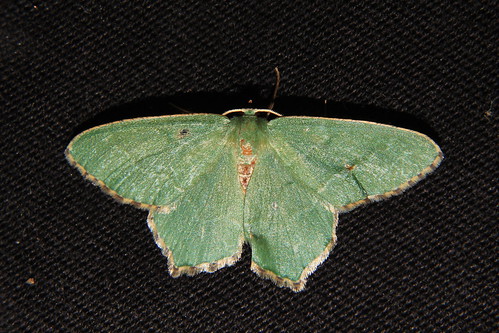
The Lagoon yielded Wainscot and Footman as might be associated with the wetland band also a spectrum of Green Lepidoptera Common Emerald ( Hawthorn (Crataegus), blackthorn (Prunus spinosa) ) , Large Emerald , Light Emerald and v-Pug and nicely Greened July High Flyers .
ABH 70.074 BF1777 July Highflyer Hydriomena furcata

ABH 70.305 BF1669 Common Emerald Hemithea aestivaria
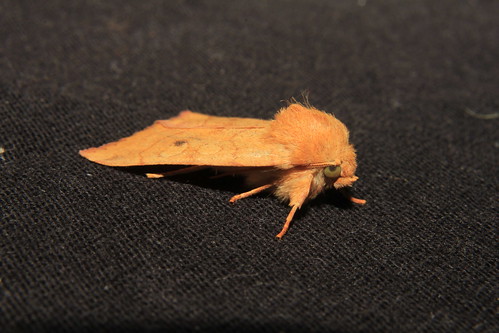
Also species specific to the seasonal Wet Woodlands and Willow Carrs either side of the area benchmarks the importance of transitional habitat such as the Angle Striped Sallow , and other Birch and Willow Specific feeders. Some of the larger trees in proximity brought in Poplar and a number of Underwings although LY Underwing was not prolific.
ABH 73.211 BF 2313 Angle-striped Sallow Enargia paleace

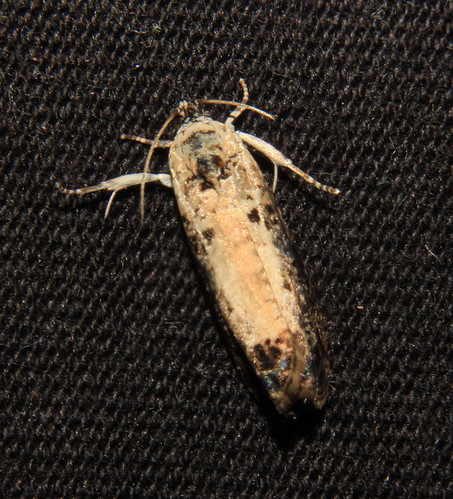
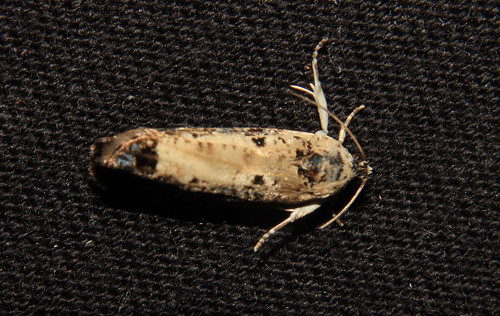
ABH 49.155 BF 1086 Hedya salicella (White-backed Marble)

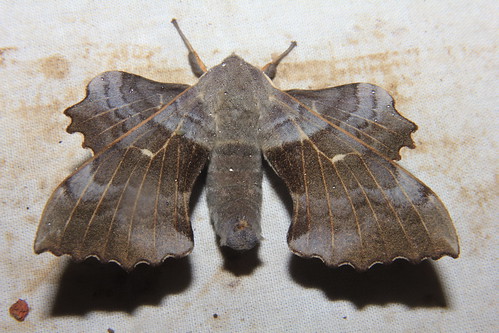
ABH 69.003 BF1981 Poplar Hawk-moth Laothoe populi
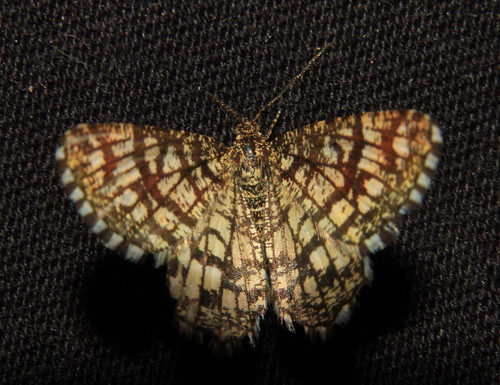
Whilst conditions and close proximity led to overlap the Yard and North Loop and its MGT ( seed Mix) yielded many veneers and species specifi to the seed mix. It was nice to see unusually the Latticed Heath at the Lagoon Site which has been absent from the lower Tag Meadow for a couple of years . Although a small single specimen , the high temperature and low wind facilitated its evening flying I have only swept these before daytime so one attracted to light was a bonus. Straw Dot Rivula sericealis and Shaded Broadbar can be seen durig the day among grasses. One specimen of Blackneck was found ( see below ) which feeds on Tufted Vetch - Vetc hes being abundant from the established seed mix planted some 25 yrs ago
The Double Lobed below is indicative of the Canary Reed Grass found along the Calder Canal and in Damp Land Inhabiting fens, damp woodland and other marshy places,
ABH 73.168 BF2336 Double Lobed Lateroligia ophiogramma
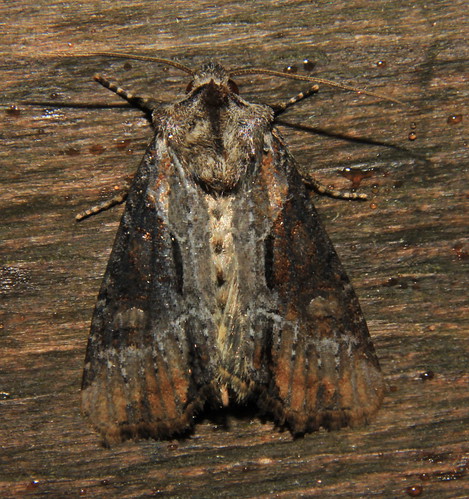
ABH 73.343 BF2110 Broad-bordered Yellow Underwing Noctua fimbriata

ABH 3.003 BF0018 Map-winged Swift Korscheltellus fusconebulosa

73.175 BF2338 Rufous Minor Oligia versicolor - Tenuous Note 2
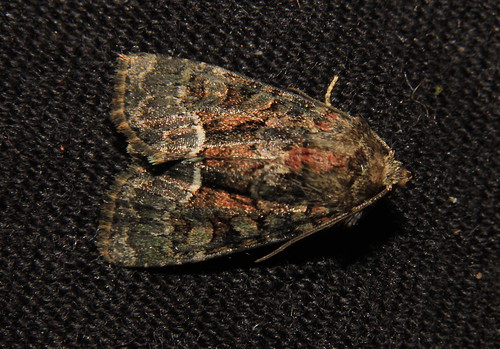
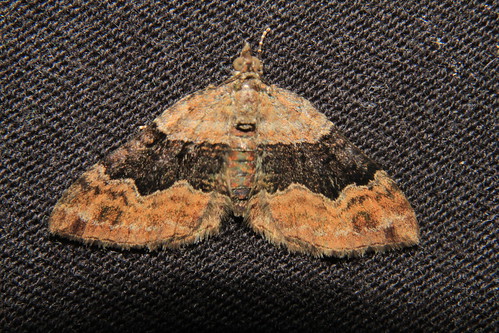
ABH 70.052 BF1725 Dark-barred Twin-spot Carpet Xanthorhoe ferrugata Note 1
72.063 BF2466 The Blackneck Lygephila pastinum


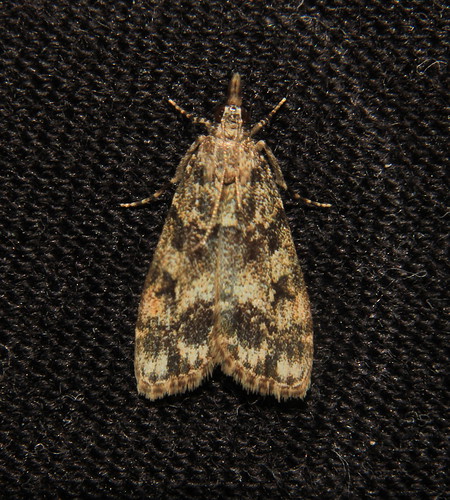
63.074 Eudonia mercurella
Additional to AC List
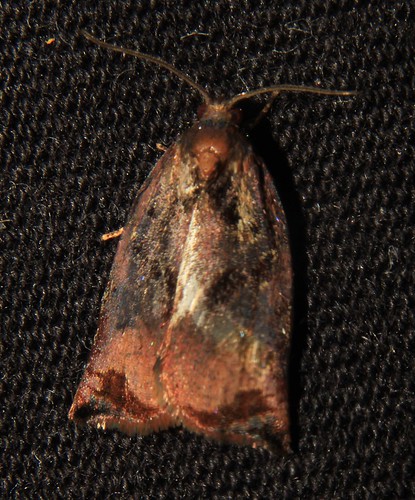
ABH 49.013 BF 977 Large Fruit-tree Tortrix Archips podana



5 comments:
Great selection Colin , Dark barred twin spot looks good and so does merc.....
Good to have a trap running elsewhere on the reserve for a change especially near the reedbeds. We ought to do it more often. I can lend a hand if needed.
Charlie I realised that I released the Black Neck having had reading glasses on thought it was a worn double square I think you spotted in the box when I came up given this is the second year on year on it has appeared I wonder if it is breeding in the prolific Vetch Seed Mix that was originally seeded some years ago - tufted vetch (Vicia cracca).
I remember seeing a Double Square-spot in your box that Andy ID-ed for us but not a Blackneck??
We did have a Blackneck in the cabin trap on Saturday plus two last year. Also they've been found on Tag Loop in previous years so it looks like it's a scarce breeder.
Just gone through the image sequence and I did Photograph it before release - whilst it is a scabby or worn specimen it underlies the need to keep imaging for validation I'll upload this for confirmation although worn the Black Neck confirms it This is a first for the Lagoon area The species overwinters as a larva, which feeds mainly on tufted vetch (Vicia cracca). As you say its breeding , established but to what extent QED
Post a Comment